
Introduction
Protecting young people from hate and radicalisation is a layered effort—one that blends education, early intervention, emotional support, and community resilience.
Education and Awareness
Critical Thinking Skills
Help young people question and evaluate extremist narratives. Use role-play, storytelling, and discussion to explore bias, propaganda, and online manipulation.
Digital literacy
Teaching safe online habits—how to spot misinformation, and echo chambers.
Values-led learning
Promoting respect, inclusion, and empathy through informal learning and group activities.
Protecting young people from hate and radicalisation is a layered effort—one that blends education, early intervention, emotional support, and community resilience. Here’s a structured overview tailored to your youth club’s ethos and safeguarding priorities:
Education and Awareness
- Critical thinking skills: Help young people question and evaluate extremist narratives. Use role-play, storytelling, and discussion to explore bias, propaganda, and online manipulation.
- Digital literacy: Teach safe online habits—how to spot grooming, misinformation, and echo chambers.
- Values-led learning: Promote respect, inclusion, and empathy through informal learning and group activities.
Mental Health and Emotional Support
- Safe spaces: Create environments where young people feel heard and supported. Emotional well-being is a key buffer against radicalisation.
- Peer mentoring: Encourage older youth to support younger members, fostering trust and positive role models.
- Early signs: Watch for sudden changes in behaviour, isolation, or extreme views. These can be flags for deeper vulnerabilities.
Community Cohesion and Belonging
- Group identity: Build a strong, inclusive club culture that celebrates diversity and shared purpose.
- Intergenerational dialogue: Invite local leaders, parents, and community members to engage with youth in open forums.
- Collaborative projects: Use art, storytelling, and volunteering to connect young people to wider social causes.
Safeguarding and Intervention
- Prevent strategy: As outlined by Phoenix Youth Provision and the UK government, this includes:
- Early identification of risk
- Voluntary support through the Channel programme
- Multi-agency collaboration (schools, police, youth services)
- Training for staff and volunteers: Equip your team to spot signs and respond confidently.
- SEND-specific resources: Tailor support for neurodiverse youth, especially those with autism.
Expanding Worldviews
- Global citizenship: Encourage curiosity about other cultures, beliefs, and social systems.
- Social commitment: Help youth see themselves as changemakers—through campaigns, debates, and community action.
Prevent
When discussing safeguarding, “Prevent” refers to a UK government strategy. This strategy aims to prevent individuals from being drawn into extremism. It focuses particularly on young people to avoid radicalisation that leads to terrorism. It’s one of the four elements of the UK’s counter-terrorism strategy, known as CONTEST.
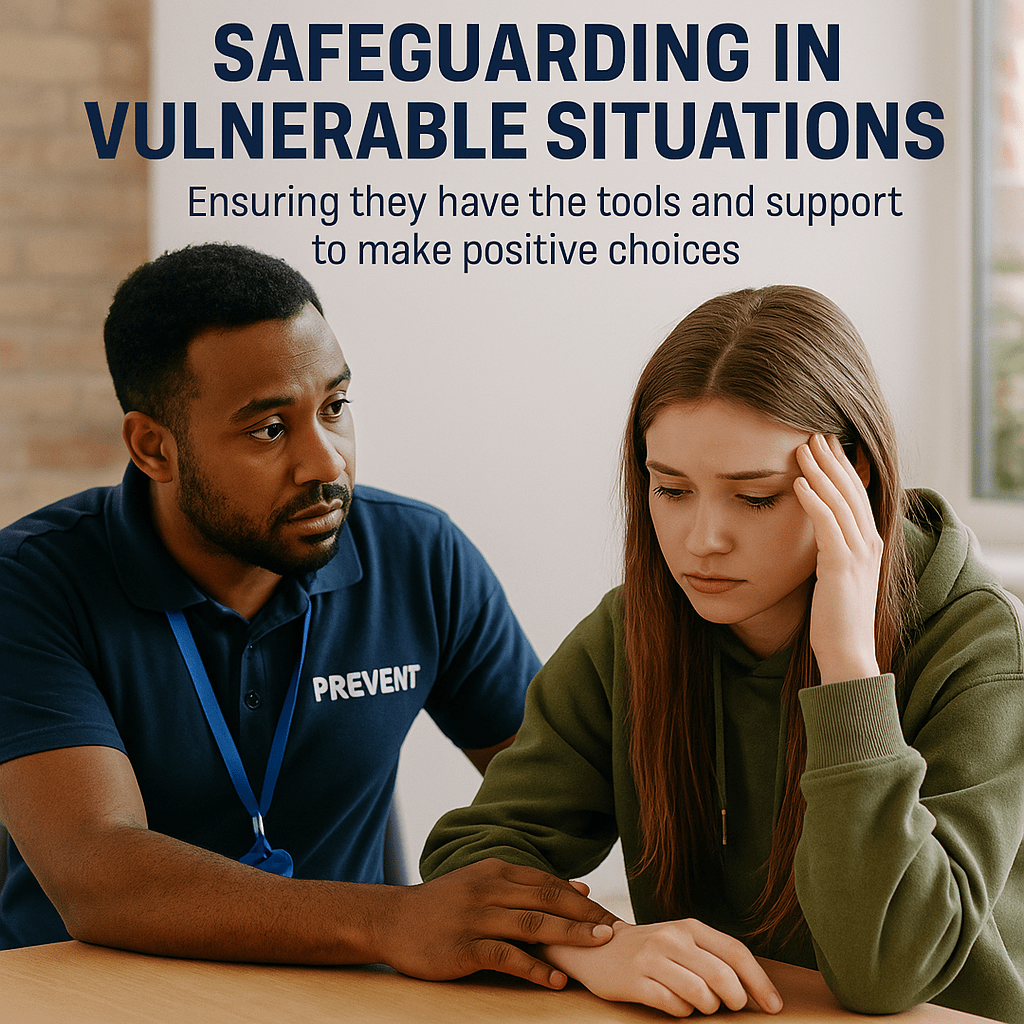
The Prevent strategy focuses on identifying those at risk of radicalization and offering early intervention. This involves education, mentoring, or other forms of support to steer individuals away from harmful ideologies and behaviors. Prevent is about safeguarding individuals in vulnerable situations, ensuring they have the tools and support to make positive choices.
-

Children in Gangs – LSCB
The Lambeth Safeguarding Children Board provides a guide for parents and educators on understanding gangs. It highlights reasons adolescents join gangs, identifies risks such as criminal activity and violence, and outlines warning signs like behavioral changes. The article emphasizes the importance of recognizing these signs and seeking help.
-

Educate Against Hate
New teaching materials for Further Education and Training have been developed to enhance young people’s resilience to extremism, emphasizing teacher-led strategies. These resources include lesson plans, guidance, and multimedia tools available on Educate Against Hate. Additionally, resources for safeguarding learners with SEND, particularly autism, have been published to support parents.
-

How the Channel Programme Supports Individuals Against Radicalisation
The Channel programme, part of the UK’s Prevent strategy, aims to provide tailored support to individuals at risk of radicalization. Through a collaborative approach, vulnerable individuals are identified and assessed by a multi-agency panel. The programme offers bespoke support plans, emphasizing voluntary participation and confidentiality to foster trust and safeguard against extremist influences.
-

Recognising Youth Radicalisation Signs
Radicalisation signs in youth can be subtle yet significant. Indicators include behavioral changes, extreme views, altered appearance, increased online activity, scripted speech, and vulnerability factors like low self-esteem. These signs aren’t definitive but may indicate deeper issues. Engaging safeguarding professionals or the Channel programme can provide support when concerns arise.
-

How the Prevent Strategy Aims to Stop Terrorism
The Prevent strategy is an essential component of the UK’s counter-terrorism efforts, aiming to prevent radicalisation and support vulnerable individuals. It addresses ideological causes, intervenes early, and rehabilitates former terrorists. Implemented across various sectors, it emphasizes community collaboration and includes the Channel programme for tailored support, governed by the Prevent Duty under the Counter-Terrorism and…
 Phoenix Youth Provision